Living in a rental doesn’t mean you’re powerless when it comes to protecting your home. In fact, many of the most common household issues we see can be prevented with a few simple habits and early awareness.
This guide is here to help you take care of your space, avoid unnecessary maintenance issues, and know exactly when it’s time to call your property manager. A little prevention goes a long way — for your comfort, your safety, and your peace of mind.
Why Prevention Matters in a Rental Home
Preventative care isn’t about shifting responsibility — it’s about partnership.
When tenants stay proactive:
- Small issues don’t turn into major repairs
- Homes stay healthier and more comfortable
- Maintenance requests are handled more efficiently
- Everyone avoids unnecessary stress and disruption
Think of it as caring for the space you live in while your property management team supports you behind the scenes.
1. Preventing Mold in Your Rental
Mold is one of the most common — and preventable — issues in rental homes, especially in bathrooms, kitchens, and basements.
How to Prevent Mold in a Rental:
- Use exhaust fans when showering or cooking
- Open windows regularly to improve airflow
- Wipe down wet surfaces like shower walls and window sills
- Avoid drying clothes indoors without proper ventilation
- Keep furniture slightly away from exterior walls
When to Call Your Property Manager:
- You notice persistent dampness or musty smells
- Mold returns quickly after cleaning
- You see discoloration on walls or ceilings
- A fan, vent, or dehumidifier isn’t working properly
Early reporting helps prevent health concerns and larger repairs.
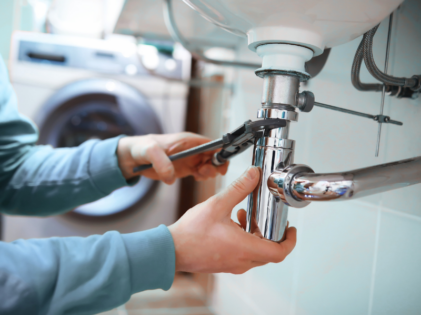
2. Rental Plumbing Tips to Avoid Bigger Problems
Plumbing issues often start small — and ignoring them can lead to water damage, leaks, or even flooding.
Simple Rental Plumbing Tips:
- Never pour grease, oil, or food scraps down the drain
- Use drain strainers in sinks and showers
- Run water regularly in unused sinks to prevent dry traps
- Be mindful of what gets flushed — wipes and paper towels can clog pipes
When to Call Your Property Manager:
- Drains are slow even after basic cleaning
- You hear gurgling sounds or smell sewage
- Water pressure suddenly changes
- You notice leaks under sinks, around toilets, or in ceilings
Plumbing issues should always be reported early — even if they seem minor.
3. Avoiding Maintenance Issues in Your Rental
Many maintenance issues happen gradually. Catching them early makes a big difference.
What You Can Do:
- Report small issues before they worsen
- Test smoke detectors regularly
- Keep heating vents clear of furniture and debris
- Change light bulbs and report fixture issues promptly
- Clean lint traps and dryer vents regularly
When to Call Your Property Manager:
- Appliances stop working or act unpredictably
- Electrical outlets feel warm or stop functioning
- Heating or cooling isn’t consistent
- Doors, windows, or locks stop working properly
Your safety always comes first — when in doubt, reach out.
4. What Counts as an Emergency?
Some situations require immediate attention. Don’t wait in these cases.
Call your property manager right away if you experience:
- No heat during cold weather
- Major water leaks or flooding
- Electrical sparks or burning smells
- Gas smells
- Complete power outages affecting your unit
Emergency issues should always be reported as soon as they happen.
A Shared Responsibility, A Better Living Experience
At the end of the day, a well-maintained rental home is a shared effort. Tenants who stay aware and proactive help keep homes safe, comfortable, and functional — and property managers can respond faster and more effectively when issues are reported early.
If something doesn’t feel right in your home, trust your instincts and reach out. We’re here to help.